
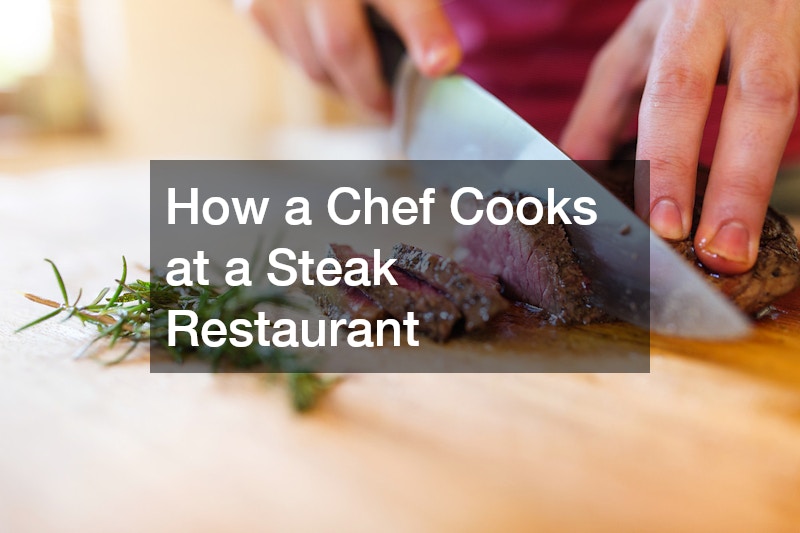
Cooking an exceptional steak at home can often feel hit-or-miss. One day you achieve a decent sear, and the next you end up with a gray, overcooked piece of meat with a rubbery texture. Yet when you step into a high-end steak restaurant, the results are flawless every single time—a deep, mahogany crust paired with a warm, perfectly edge-to-edge pink interior.
The secret isn’t magic or secret spice blends; it comes down to meticulous sourcing, surface moisture control, precise heat management, and culinary science. Here is step-by-step how a professional chef at a top steak restaurant transforms a raw cut of beef into a world-class meal.
1. Starting with Sourcing, Aging, and Tempering
A great steak dinner begins days—or even weeks—before the heat is ever turned on. A premier steak restaurant sources USDA Prime or high-grade Choice cuts featuring dense, uniform intramuscular fat (marbling).
Many top establishments further dry-age their subprimal cuts for 28 to 45 days. This process allows natural enzymes to break down tough muscle fibers while evaporating excess water, which drastically concentrates the beef’s rich, savory flavor.
Before an order hits the line, the chef removes the cut from refrigeration to let it temper at room temperature for 30 to 45 minutes. Throwing an ice-cold steak straight onto an intense heat source causes the muscle fibers to contract violently, squeezing out precious juices. Tempering ensures the meat cooks evenly from edge to center without leaving a thick band of overcooked, gray beef just beneath the crust.
2. Eliminating Surface Moisture and Heavy Seasoning
Surface moisture is the absolute enemy of a great sear. If a steak goes into a pan or onto a grill damp, the heat energy goes into evaporating that water rather than browning the surface—essentially steaming the meat instead of searing it.
Line cooks vigorously pat down each steak with absorbent towels until the exterior is bone-dry. Right before cooking, the steak is aggressively seasoned with coarse kosher salt and freshly cracked black pepper. Chefs season far more generously than home cooks because a thick, 1.5-inch cut needs enough surface seasoning to adequately flavor every bite of the interior.
3. Harnessing Extreme Heat (The Maillard Reaction)
Home stovetops usually top out around 400°F to 500°F (204°C to 260°C). A commercial steak restaurant, however, utilizes heavy carbon-steel skillets, infrared broilers, or custom wood-fired charcoal grills capable of reaching 800°F to well over 1,000°F (426°C to 538°C).
This intense heat triggers the Maillard reaction—a chemical reaction between amino acids and reducing sugars that creates hundreds of complex new flavor compounds and turns the exterior a rich, golden brown.
Step-by-Step Cooking Technique:
-
Hard Sear (1–2 minutes per side): The dry, seasoned cut hits a smoking-hot pan with a high-smoke-point fat (like clarified butter, tallow, or avocado oil) to rapidly lock in a deep, crisp crust without burning.
-
Butter Basting / Arrosé (2–3 minutes): The chef turns down the heat and drops whole unsalted butter, crushed garlic cloves, and fresh thyme or rosemary sprigs into the pan. As the butter foams, the chef tilts the skillet and continuously spoons the hot, herb-infused fat over the top to cook the steak evenly while imparting rich flavor.
-
Finishing in the Oven/Broiler (Variable timing): For extra-thick cuts like a bone-in ribeye or porterhouse, the pan moves directly into a warm oven or under a Salamander broiler to bring the core gently to target temperature without scorching the outer crust.
4. Internal Temperatures Over Guesswork
To deliver ideal doneness, cooks pull steaks off the heat source roughly 5°F to 10°F below the customer’s target temperature to account for carryover cooking as the meat rests:
-
Rare: Pulled at 120°F (49°C) → Rests to 125°F (52°C) (Cool red center)
-
Medium-Rare: Pulled at 130°F (54°C) → Rests to 135°F (57°C) (Warm red center — the industry standard)
-
Medium: Pulled at 140°F (60°C) → Rests to 145°F (63°C) (Warm pink center)
-
Medium-Well: Pulled at 150°F (66°C) → Rests to 155°F (68°C) (Slight pink slice)
5. The Non-Negotiable Step: Resting and Finishing
The final secret to an extraordinary meal at a steak restaurant is patience. If you slice a steak immediately out of the pan, the tight muscle fibers squeeze out all the flavorful, hot juices onto the cutting board.
Chefs transfer cooked steaks to a warm wire rack set over a tray for 5 to 10 minutes. During this rest period:
-
Fiber Relaxation: The constricted muscle fibers relax and re-absorb moisture throughout the cut.
-
Juice Redistribution: The internal juices thicken slightly and redistribute evenly from edge to edge.
-
Target Completion: Gentle carryover heat finishes bringing the core to its perfect target temperature.
Right before the runner takes the plate out to the dining room, the chef flashes the rested steak under a high-temperature broiler for 15 seconds to re-crisp the surface, or spoons a fresh, melted dab of compound butter over the top—delivering a piping-hot, blistering crust surrounding an impossibly tender center.
